
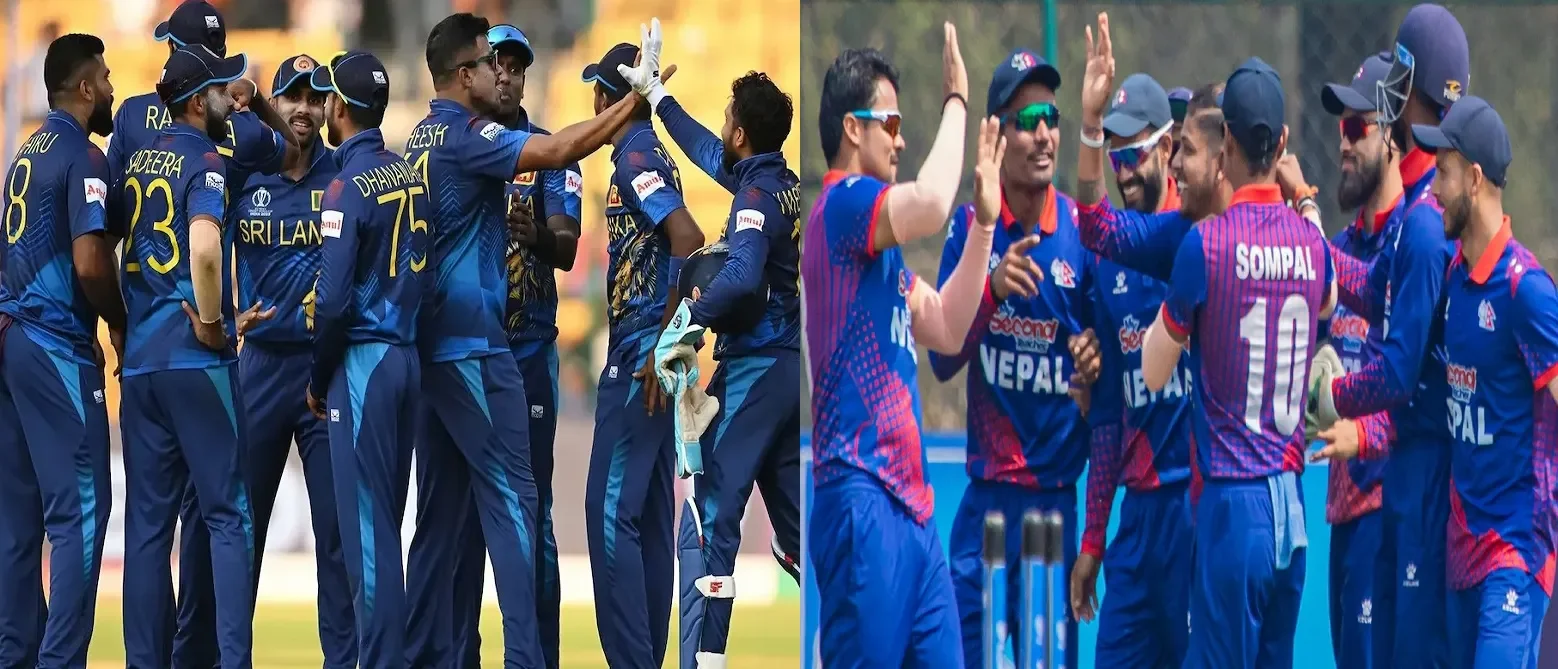
The Essential Guide to Understanding and Using an Online Cricket ID
The Essential Guide to Understanding and Using an Online Cricket ID
Cricket has long been celebrated for its rich tradition, complex rules, and passionate fan base. In an increasingly digital world, the sport is also embracing technology to simplify administration, enhance security, and streamline player management. One of the most impactful innovations is the Online Cricket ID. Whether you are a budding cricketer, a club administrator, or a veteran player, understanding how this digital identifier works can save you time, protect your personal data, and open doors to new opportunities.
What Is an Online Cricket ID?
An Online Cricket ID is a unique digital profile assigned to every registered cricket player in participating associations. Much like a passport number or a social security identifier, it consolidates a player’s personal details, statistical records, and eligibility information into a single, secure database. The ID can be accessed through a web portal, enabling quick verification for match selection, tournament registration, or travel clearance.
Why the Cricket Community Needs a Centralized Identifier
Before the advent of digital IDs, cricket administrations relied on paper forms, manual entries, and fragmented spreadsheets. This approach led to:
- Duplicate records and inconsistencies across clubs.
- Lengthy verification processes that delayed tournament entry.
- Increased risk of fraud, such as falsified age or residency documents.
By introducing a single, authoritative source of truth, the Online Cricket ID eliminates these pain points, fostering a more transparent and efficient ecosystem.
Key Benefits for Players
For the individual cricketer, the digital ID offers several tangible advantages:
- Convenient Access: All your personal and performance data are available 24/7 with just a login. No need to chase paperwork after each tournament.
- Enhanced Mobility: When moving between clubs or states, your credentials travel with you, reducing administrative lag.
- Secure Authentication: Multi‑factor authentication safeguards your information against unauthorized access.
- Eligibility Tracking: The system automatically flags age‑group eligibility, ensuring you only register for competitions you qualify for.
Benefits for Administrators and Governing Bodies
Cricket boards, state associations, and club secretaries also reap rewards from the transition to a digital platform:
- Real‑Time Data: Immediate visibility into player statistics, injury reports, and disciplinary records.
- Streamlined Registrations: Online forms replace faxed PDFs, cutting processing time dramatically.
- Compliance Assurance: Built‑in checks validate documents against national standards, reducing the chance of non‑compliance.
- Analytics Capability: Aggregated data support strategic decisions, such as talent scouting and resource allocation.
How to Obtain an Online Cricket ID
The process of acquiring an ID is straightforward, but it does require attention to detail. Below is a step‑by‑step guide:
Step 1 – Choose a Certified Provider
Not all services are created equal. To guarantee authenticity and support, select an Online Cricket ID Provider that is officially recognized by your national cricket board. Certified providers adhere to strict data‑privacy standards and offer dedicated customer assistance.
Step 2 – Gather Required Documentation
Prepare the following documents in digital format (PDF, JPEG, or PNG):
- Proof of identity (government‑issued ID).
- Proof of residence (utility bill or passport page).
- Recent passport‑size photograph.
- Birth certificate or school enrollment proof for age‑group verification.
Step 3 – Complete the Online Application
Log in to the provider’s portal and fill out the application form. Key fields include:
- Full legal name and any commonly used nicknames.
- Date of birth and gender.
- Contact information (email, mobile number).
- Current club affiliation and playing role (batter, bowler, all‑rounder).
Step 4 – Submit and Pay the Nominal Fee
Most providers charge a modest processing fee (often INR 500–800) to cover verification costs. Payment can be made via credit/debit card, net banking, or UPI. The fee is usually non‑refundable but may be waived for under‑18 players in some jurisdictions.
Step 5 – Verification and Issuance
Within 7–10 business days, the provider’s verification team cross‑checks your documents with the respective authorities. Upon successful validation, a unique Online Cricket ID is generated and sent to your registered email address, along with login credentials for the portal.
Security Measures Built Into the System
Data security is a paramount concern, especially when handling personal information of minors. The platform adheres to industry‑standard encryption (AES‑256) and employs the following safeguards:
- Two‑Factor Authentication (2FA): Users must verify sign‑ins via an OTP sent to their mobile device.
- Role‑Based Access Controls: Administrators see only the data necessary for their function, minimizing exposure.
- Audit Trails: Every change to a profile is logged with timestamp and user ID, ensuring traceability.
- Regular Penetration Testing: Independent security firms conduct bi‑annual assessments to identify vulnerabilities.
Integrating the ID with Tournament Management Software
Modern cricket tournaments often use specialized management tools for scheduling, scoring, and live streaming. The Online Cricket ID can be linked via API to these platforms, allowing:
- Automatic population of player rosters.
- Real‑time updating of player statistics and rankings.
- Seamless generation of match‑day credentials (e.g., QR‑coded badges).
This integration reduces manual data entry errors and speeds up the pre‑match verification process, which is especially valuable in high‑profile leagues where time is money.
Case Study: Impact on a State Association
When the Karnataka State Cricket Association (KSCA) partnered with an accredited Online Cricket ID Provider in 2023, the following outcomes were observed over a 12‑month period:
| Metric | Before Implementation | After Implementation |
|---|---|---|
| Average registration processing time | 14 days | 2 days |
| Duplicate player entries | 27 per season | 3 per season |
| Eligibility disputes | 12 cases | 1 case |
| Player satisfaction (survey score out of 10) | 6.8 | 9.2 |
The data underscores how a robust ID system can transform administrative efficiency while boosting confidence among athletes and officials alike.
Common Misconceptions and How to Address Them
Myth 1: “It’s only for elite players.” The system is designed for everyone—from grassroots participants to international stars. Uniform data collection ensures fairness at all levels.
Myth 2: “It will replace my existing cricket card.” The digital ID complements, rather than replaces, physical membership cards. Many clubs still issue cards that display the unique ID number for quick reference.
Myth 3: “It’s expensive and time‑consuming.” While there is a nominal fee for processing, the long‑term time saved in verification and the reduced risk of errors far outweigh the cost.
Future Trends: Beyond Identification
The success of the Online Cricket ID paves the way for broader innovations:
- Smart Contracts for Player Transfers: Blockchain‑based agreements could be linked to a player’s ID, automating contract execution.
- Health & Performance Integration: Wearable devices could feed biometric data into the profile, offering coaches a holistic view of player fitness.
- Fan Engagement Tools: Spectators might use QR codes on tickets to access a player’s live stats, enhancing the viewing experience.
These possibilities illustrate how a simple identifier can become a cornerstone for a data‑driven cricket ecosystem.
Steps to Keep Your Online Cricket ID Up‑to‑Date
Maintaining the accuracy of your profile is essential. Follow these best practices:
- Log in quarterly: Review personal details, address, and emergency contacts.
- Update club affiliation: Whenever you switch teams, request an update through your provider’s portal.
- Upload new medical information: If you sustain an injury, add the relevant medical certificates to aid clearance processes.
- Renew photographs: A fresh headshot every two years helps keep identification reliable.
How to Choose the Right Online Cricket ID Provider
Selecting a reputable service is critical. Consider the following criteria:
- Official Recognition: Verify that the provider is listed on your national cricket board’s website.
- Data Privacy Policy: The provider should comply with GDPR‑like standards and disclose how data is stored and used.
- Customer Support: Look for 24/7 help desks, live chat options, and a clear escalation path.
- Integration Capabilities: Confirm that the provider offers APIs for tournament software, league management platforms, and mobile apps.
By aligning with an experienced Online Cricket ID Provider, you ensure a smooth onboarding experience and long‑term reliability.
Conclusion
The digital transformation of cricket administration has reached a pivotal moment with the introduction of the Online Cricket ID. This unified, secure, and accessible identifier simplifies registration, safeguards player data, and equips governing bodies with powerful analytics. Whether you are a 12‑year‑old debutant or a seasoned coach, embracing this technology unlocks efficiencies that were previously unimaginable.
Obtaining an ID is straightforward: choose an authorized provider, submit the required documents, and follow the verification steps. Once issued, keep your profile current and leverage the integration options available to maximize its benefits. As cricket continues to innovate—through smart contracts, health monitoring, and immersive fan experiences—the Online Cricket ID will remain the foundation upon which these advances are built.
Take the first step today. Register your own Online Cricket ID and experience a new era of streamlined, secure, and data‑driven cricket.